What Is an IPTV Encoder and How Does It Work?
Modern television broadcasting has evolved significantly with the advent of IPTV technology, which relies on internet protocol to deliver television services. At the heart of this technology is the IPTV encoder, a crucial device that enables the transmission of high-quality video content over the internet. The IPTV encoder plays a vital role in compressing and encoding video signals into a digital format that can be streamed efficiently. This process involves video compression, which reduces the size of the video files without compromising their quality, making it possible to deliver smooth and uninterrupted streaming services. Key Takeaways IPTV encoders are essential for delivering high-quality video content over the internet. They enable the compression and encoding of video signals into digital formats. Video compression is a critical process in IPTV technology. IPTV encoders support smooth and uninterrupted streaming services. The use of IPTV technology is revolutionizing modern television broadcasting. The Fundamentals of IPTV Technology The advent of IPTV technology has brought about a new era in television broadcasting, offering viewers more flexibility and interactivity than ever before. This shift is part of a broader evolution in how television content is delivered and consumed. The Evolution of Television Broadcasting Television broadcasting has undergone significant transformations since its inception. Initially, broadcasting relied on terrestrial signals, later expanding to include satellite and cable transmissions. Each step in this evolution has brought about improvements in content delivery, but also introduced new challenges. Traditional broadcasting methods have limitations, such as fixed programming schedules and geographical constraints. The rise of IPTV technology addresses these limitations by delivering television content over internet protocol networks. How IPTV Differs from Traditional Broadcasting IPTV differs from traditional broadcasting in several key ways. Firstly, IPTV delivers content over IP networks, allowing for more personalized and interactive viewing experiences. This is a significant departure from traditional broadcasting, where content is broadcast to all viewers simultaneously without the ability to interact with the content in real-time. Another key difference is the flexibility IPTV offers in terms of content consumption. Viewers can watch their preferred content on-demand, pausing, rewinding, or fast-forwarding as needed. This level of control is not available with traditional broadcasting methods. Feature IPTV Traditional Broadcasting Content Delivery Over IP networks Terrestrial, satellite, or cable Interactivity Highly interactive Limited interactivity Viewing Experience On-demand, personalized Linear, scheduled programming As highlighted by a report from Deloitte, “The media landscape is shifting towards more personalized and interactive experiences, with IPTV technology at the forefront of this change.” What Is an IPTV Encoder and How Does It Work? The IPTV encoder is a fundamental component in the delivery of high-quality television services over the internet. It plays a crucial role in preparing video content for streaming across various devices. Definition and Core Functions An IPTV encoder is a device or software that converts television signals into a digital format suitable for transmission over Internet Protocol (IP) networks. Its core function is to encode video and audio signals into a compressed digital format. The encoding process involves several key steps, starting with input signal processing. Here, the encoder receives the input signal, which can be in various formats such as SDI, HDMI, or IP streams. The Encoding Process Explained Input Signal Processing During input signal processing, the encoder analyzes the incoming signal to determine its characteristics, such as resolution, frame rate, and audio format. This information is crucial for optimizing the encoding process. The encoder then applies compression algorithms to reduce the size of the video and audio data. Common compression standards include H.264/AVC and H.265/HEVC, which are designed to achieve high compression ratios while maintaining video quality. The encoding process is critical in ensuring that the video content is delivered smoothly over IP networks. By compressing the data, IPTV encoders enable efficient transmission of high-quality video content to a wide range of devices, from smart TVs to mobile phones. In summary, an IPTV encoder is essential for converting television signals into a digital format that can be streamed over the internet. Its ability to process input signals and apply advanced compression algorithms makes it a vital component in modern broadcasting. Key Components of an IPTV Encoder System To grasp how IPTV encoders work, it’s essential to examine their core components and how they interact. An IPTV encoder system is a multifaceted setup that relies on both hardware and software to deliver high-quality video content. Hardware Elements The hardware components of an IPTV encoder system are crucial for its operation. These include: Encoding servers: These are powerful machines responsible for processing video and audio signals. Capture cards: These cards are used to capture input from various sources such as cameras or satellite feeds. Storage devices: Adequate storage is necessary for buffering and storing content. The quality and capability of these hardware elements directly impact the performance of the IPTV encoder system. For instance, encoding servers with advanced processors can handle multiple streams more efficiently. Software Components Software plays a vital role in managing and optimizing the IPTV encoder system. Key software components include: Encoding software: This software is responsible for compressing video and audio streams. Content management systems (CMS): A CMS helps in organizing and scheduling content for distribution. Effective software components ensure that the IPTV encoder system can handle various formats and streaming protocols, providing flexibility and reliability. Integration Points with Other Systems IPTV encoder systems often need to integrate with other systems such as content delivery networks (CDNs), billing systems, and subscriber management systems. This integration is crucial for a seamless user experience and efficient operation. […]
The Best Cheap IPTV Service: Reliable and Budget-Friendly

Finding a cheap IPTV service that is both reliable and budget-friendly can be a daunting task. With so many options available, it’s hard to know where to start. However, having access to affordable IPTV services is crucial for those who want to enjoy their favorite TV shows and movies without breaking the bank. A budget-friendly IPTV service can provide a wide range of channels and on-demand content at a fraction of the cost of traditional TV providers. Key Takeaways Affordable IPTV services offer a cost-effective solution for TV entertainment. Reliable IPTV services provide a stable and high-quality viewing experience. Budget-friendly IPTV options are available for those who want to save money. Cheap IPTV services can offer a wide range of channels and on-demand content. It’s essential to research and compare different IPTV services to find the best one. Understanding IPTV: What It Is and How It Works IPTV, or Internet Protocol Television, is revolutionizing the way we consume television content. It allows users to stream television content over the internet, providing a more flexible viewing experience. The Technology Behind IPTV IPTV uses internet protocol to deliver television content. This technology enables users to access a wide range of channels and on-demand content through their internet connection. The IPTV technology is based on a broadband network, ensuring that users can enjoy high-quality video and audio. How IPTV Differs from Traditional Cable Unlike traditional cable television, IPTV does not rely on broadcast signals or cable infrastructure. Instead, it uses the internet to deliver content, offering more flexibility and customization options. This difference is significant because it allows IPTV services to provide personalized content and interactive features that traditional cable cannot match. Overall, IPTV offers a modern alternative to traditional television viewing, with its ability to stream content over the internet and provide a more tailored viewing experience. What Is the Best Cheap IPTV Service? In the vast landscape of IPTV providers, identifying a service that balances affordability and quality is crucial. The term “cheap” can often be misleading, as it may refer to either the cost or the quality of the service. Defining “Cheap” in the IPTV Market When consumers search for a cheap IPTV service, they are typically looking for a budget-friendly option that doesn’t compromise on essential features. The definition of “cheap” can vary significantly among consumers, depending on their budget constraints and viewing habits. Low monthly subscription fees Free or low-cost additional channels No long-term contracts Balancing Cost and Quality A budget-friendly IPTV service should ideally strike a balance between cost and quality. While it’s tempting to opt for the cheapest option, it’s essential to consider the quality of the stream, the variety of channels, and the reliability of the service. “A good IPTV service is not just about being cheap; it’s about providing a seamless viewing experience at an affordable price.” Red Flags to Watch Out For When selecting a cheap IPTV service, there are several red flags to watch out for, including: Unusually low prices that seem too good to be true Lack of transparent information about the service or company Poor customer reviews or ratings Being aware of these red flags can help consumers make an informed decision when choosing an IPTV provider. Cost Comparison: IPTV vs. Traditional Cable Understanding the cost differences between IPTV and traditional cable is crucial for making an informed decision. When evaluating these services, it’s essential to consider not just the monthly subscription fees but also other associated costs. Average Monthly Savings One of the significant advantages of IPTV over traditional cable is the potential for average monthly savings. IPTV services often offer flexible pricing plans and customizable channel packages, allowing consumers to pay only for what they watch. In contrast, traditional cable providers typically charge a flat rate for a bundle of channels, many of which might not be viewed. Studies have shown that switching to IPTV can result in savings of up to 30% on monthly television bills. Equipment and Installation Costs Another critical aspect to consider is the cost of equipment and installation. Traditional cable requires physical infrastructure, including cables and set-top boxes, which can lead to additional rental fees and installation charges. IPTV, on the other hand, utilizes existing internet infrastructure, potentially reducing the need for extra equipment. Many affordable IPTV services provide users with the necessary hardware or software solutions at a lower cost or sometimes include them in the subscription package. Key Features to Look for in Budget IPTV Services When searching for a budget IPTV service, it’s crucial to identify the key features that distinguish a good provider from a great one. A great IPTV service offers a combination of affordability, quality, and user-friendly features. Channel Selection and Content Library A robust channel selection and content library are essential for a satisfying IPTV experience. Look for services that offer a wide range of channels, including sports, news, and entertainment options. Some providers also offer additional content, such as on-demand movies and TV shows. Stream Quality and Reliability Stream quality is vital for uninterrupted viewing. Opt for IPTV services that offer high-definition (HD) or 4K streaming, and have a reputation for reliable, buffer-free playback. Checking reviews and asking about the provider’s infrastructure can give insights into their streaming capabilities. Device Compatibility Ensure that the IPTV service is compatible with your devices. Many providers support a range of platforms, including smartphones, tablets, smart TVs, and streaming devices like Roku or Amazon Fire TV. Device compatibility ensures that you can watch your favorite content on the device of your choice. User Interface and Experience A user-friendly interface can significantly enhance your IPTV experience. Look for services with intuitive navigation, clear channel listings, and features like parental controls and favorites lists. A well-designed interface makes it easier to find and enjoy content. By focusing on these key features, you can find a budget IPTV service that meets your entertainment needs without breaking the bank. Top 5 Affordable IPTV Services in 2023 2023 is witnessing a plethora of IPTV services vying for the title of the most affordable and reliable. As the demand for streaming services continues to grow, several IPTV providers have emerged, offering a range of packages that cater to different viewer needs and budgets. IPTVGREAT IPTVGREAT stands out for its extensive channel lineup and competitive pricing. With a focus on delivering high-quality streams, IPTVGREAT is a popular choice among those seeking an affordable IPTV service without compromising on content variety. Sling TV Sling TV is another notable IPTV provider that has gained traction for its customizable packages and user-friendly interface. It offers a range of channels and on-demand content, making it a versatile option for viewers. Philo […]
How to Install IPTV on IBO Player
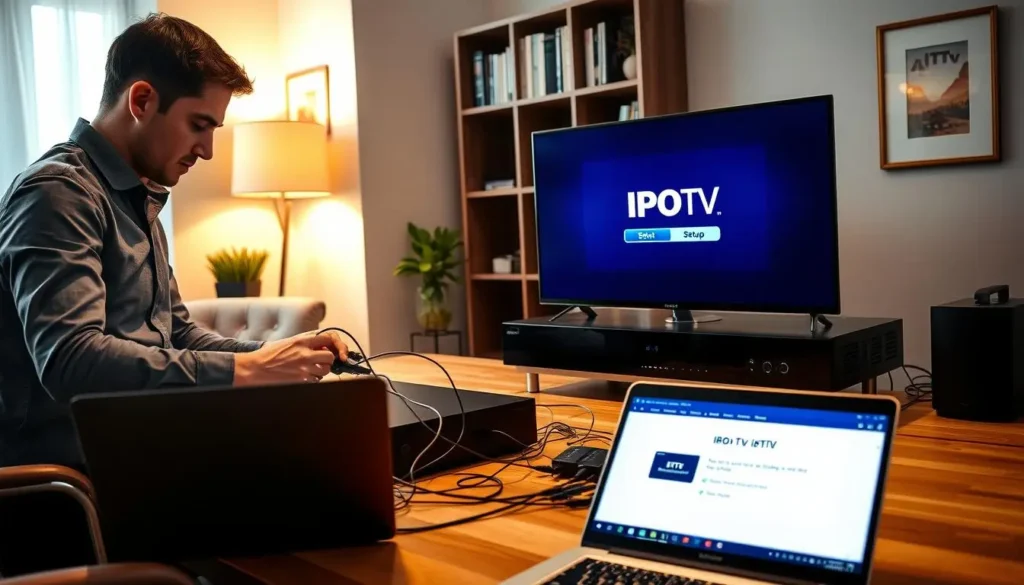
Are you looking for a straightforward way to enjoy your favorite TV channels and content through IPTV on the IBO Player? This guide is designed to walk you through the process, making it easy to set up and start streaming. IBO Player is a popular platform for accessing a wide range of IPTV services. With this guide, you’ll learn how to install IPTV on IBO Player and enjoy a seamless viewing experience. By following this guide, you’ll be able to configure your IBO Player with ease and start enjoying your preferred IPTV content without any hassle. Key Takeaways Easy installation process for IPTV on Install IPTV on IBO Player Step-by-step guide to setting up your IPTV service Tips for a seamless viewing experience Understanding the benefits of using IBO Player for IPTV Troubleshooting common issues during setup What is IBO Player? The IBO Player is designed to provide a seamless IPTV viewing experience. It is a media player application that allows users to stream IPTV content on various devices. Key Features of Install IPTV on IBO Player IBO Player comes with a range of features that enhance the IPTV viewing experience. Some of its key features include: Support for multiple IPTV providers User-friendly interface EPG (Electronic Program Guide) support Customizable channel lists Supported Devices One of the standout features of IBO Player is its compatibility with a wide range of devices. It supports: Android Devices IBO Player is available on Android devices, making it easy to stream IPTV content on smartphones and tablets. Fire TV Stick Users can also install IBO Player on Fire TV Stick, enabling IPTV streaming on their TVs. Smart TVs Additionally, IBO Player is compatible with various Smart TVs, further expanding its reach. Device Compatibility Android Devices Yes Fire TV Stick Yes Smart TVs Yes With its robust features and wide device compatibility, IBO Player is a popular choice among IPTV enthusiasts. Its ability to support multiple IPTV providers and offer customizable channel lists makes it a versatile option. Understanding IPTV and Its Benefits IPTV is revolutionizing the way we consume television content. It offers a more personalized and flexible viewing experience compared to traditional TV. What is IPTV? IPTV, or Internet Protocol Television, is a service that delivers television content over the internet. Unlike traditional TV, which relies on satellite or cable signals, IPTV uses your internet connection to stream content directly to your device. Advantages of IPTV Over Traditional TV IPTV offers several advantages, including on-demand content, the ability to watch on multiple devices, and a more interactive viewing experience. Here are some key benefits: Access to a wide range of channels and on-demand content Ability to watch TV on various devices, including smartphones and tablets […]
Is It Safe to Watch IPTV Without a VPN?

The rise of Internet Protocol Television (IPTV) has changed how we watch TV, offering flexible, affordable access to content. However, IPTV without VPN safety has become a growing concern. Watching IPTV without a VPN can expose users to privacy risks, data breaches, and even legal issues. Using a VPN adds protection by encrypting your connection […]
Does Roku Have an IPTV App?
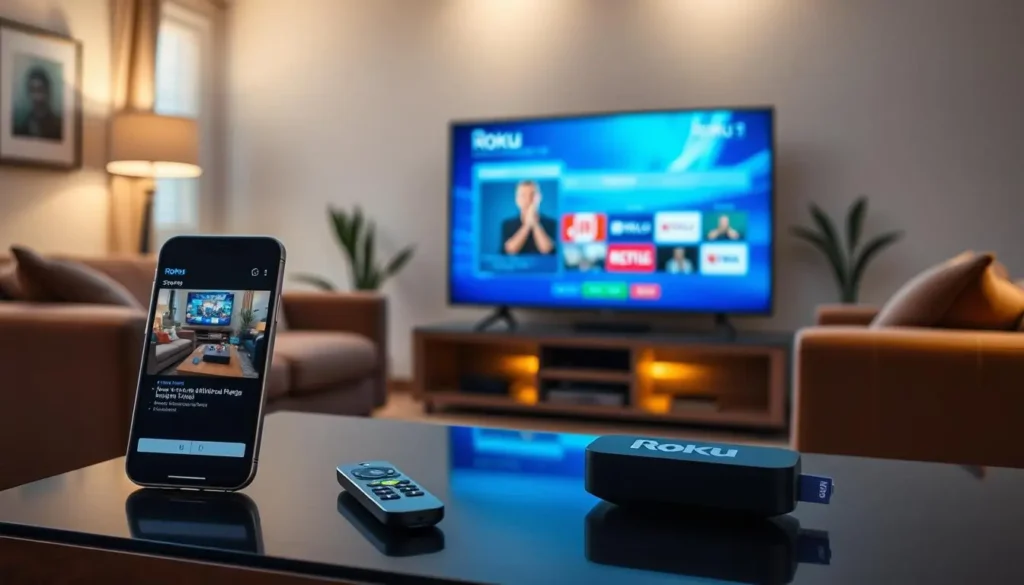
IPTV, or Internet Protocol Television, has revolutionized the way we consume television content. With the rise of streaming services, IPTV has become increasingly popular, offering users a flexible and personalized viewing experience. Streaming on Roku devices has become a favorite among many, thanks to its user-friendly interface and vast channel offerings. But, can you enjoy IPTV on your Roku device? The question on many minds is whether there’s a seamless way to integrate IPTV with Roku streaming capabilities. As we explore this topic, we’ll uncover the possibilities and limitations of using IPTV services with Roku devices. Key Takeaways Understanding IPTV and its growing popularity The benefits of using IPTV on streaming devices Roku’s streaming capabilities and IPTV compatibility How to access IPTV content on Roku devices The future of IPTV on Roku streaming devices Understanding IPTV and Streaming Technology As we dive into the world of streaming, it’s essential to understand the technology behind IPTV and how it differs from traditional streaming services. IPTV, or Internet Protocol Television, uses the internet to deliver television content, offering a more flexible and personalized viewing experience. What Is IPTV and How Does It Work? IPTV delivers television content through the internet using Internet Protocol. This technology allows for a more targeted and efficient delivery of content compared to traditional broadcast methods. IPTV services typically require a stable internet connection and a compatible device, such as a smart TV or a streaming device. Differences Between IPTV and Traditional Streaming The primary difference between IPTV and traditional streaming services lies in their content delivery methods. IPTV uses unicast or multicast to deliver content, whereas traditional streaming often relies on unicast transmissions. This difference affects the quality and availability of content. Benefits of IPTV for Cord-Cutters IPTV offers several benefits for cord-cutters, including greater flexibility and personalization. IPTV services often provide a range of channels and on-demand content, allowing viewers to tailor their viewing experience to their preferences. Additionally, IPTV can be more cost-effective than traditional TV services. Does Roku Have an IPTV App? The Official Answer The question of whether Roku supports IPTV is a common one, and we’re here to provide the official answer. Roku, a popular streaming device, has been at the forefront of cord-cutting technology, offering users a wide range of streaming options. Roku’s Official Position on IPTV Roku’s official stance on IPTV is that while they don’t have a native IPTV app, they support various IPTV services through their channel store. This means users can access IPTV content through third-party apps available on the Roku platform. Key points about Roku’s IPTV support: IPTV services are accessible through third-party apps No native IPTV app is available on Roku Roku’s channel store hosts various IPTV apps Native IPTV Capabilities on Roku Devices Roku devices don’t natively support IPTV in the traditional sense. However, many IPTV services have developed apps for the Roku platform, allowing users to access their IPTV content. This compatibility is a result of Roku’s open platform policy, which encourages developers to create apps for the Roku ecosystem. Differences Between Roku Models for IPTV Support While all Roku models support IPTV services through third-party apps, there are some differences in performance between models. Newer Roku models with enhanced hardware capabilities generally provide a smoother IPTV streaming experience. Here’s a comparison of IPTV support across different Roku models: Roku Model IPTV Support Streaming Quality Roku Express Yes Up to 1080p Roku Ultra Yes Up to 4K In conclusion, while Roku doesn’t have a native IPTV app, the platform supports IPTV services through third-party apps, making it a viable option for IPTV users. Official Channel Store IPTV Options for Roku Roku’s official channel store provides access to a range of IPTV apps, catering to diverse user preferences. The store hosts a variety of services, from premium IPTV providers to free channels and live TV apps. Premium IPTV Services Available on Roku Premium IPTV services on Roku offer high-quality content, including live sports, movies, and international channels. Some popular premium services include: AT&T TV Now Sling TV YouTube TV These services provide a robust viewing experience with a wide range of channels and on-demand content. Free IPTV Channels in the Does […]
Unlock Endless Entertainment with Roku IPTV
Discover a world of limitless entertainment with Roku IPTV, your gateway to a vast array of streaming services and entertainment options. This innovative technology allows you to stream your favorite shows, movies, and live TV directly to your device, revolutionizing the way you experience entertainment. With Roku IPTV, you can enjoy a seamless viewing experience, accessing a vast library of content that caters to diverse tastes and preferences. Whether you’re a fan of the latest blockbuster movies or live sports, Roku IPTV has got you covered. Key Takeaways Access a vast library of streaming services and entertainment options. Enjoy a seamless viewing experience with innovative technology. Stream your favorite shows, movies, and live TV directly to your device. Diverse content catering to various tastes and preferences. Revolutionize your entertainment experience with Roku IPTV. What is Roku IPTV and Why It’s Revolutionizing Streaming Internet Protocol Television (IPTV) on Roku devices is revolutionizing the streaming landscape. IPTV technology allows users to stream television content over the internet, providing a more flexible and personalized viewing experience. Understanding IPTV Technology IPTV technology differs significantly from traditional cable or satellite TV. It uses the internet to deliver content, allowing for on-demand viewing and greater control over what and when you watch. This technology is at the heart of the streaming revolution, enabling a more tailored entertainment experience. How Roku Enhances the IPTV Experience Roku devices play a crucial role in enhancing the IPTV experience. With a user-friendly interface and a wide range of compatible apps, Roku makes it easy to access various IPTV services. The integration of IPTV technology with Roku devices simplifies the process of finding and watching content, contributing to the streaming revolution. By combining IPTV technology with the accessibility of Roku devices, users can enjoy a more streamlined and enjoyable viewing experience. This synergy is transforming the way we consume entertainment, making it more personalized and convenient. The Evolution of Streaming Services and Roku IPTV Roku IPTV represents a pivotal shift in how we consume entertainment, marking a new era in the evolution of streaming services. The way we watch television has undergone a significant transformation, driven by advancements in technology and changing viewer preferences. From Traditional Cable to Internet Protocol Television The traditional cable television model has been gradually replaced by Internet Protocol Television (IPTV), offering users more flexibility and a wider range of content options. IPTV delivers television content over the internet, allowing for a more personalized viewing experience. This shift has been facilitated by improvements in internet infrastructure and the proliferation of smart devices. Roku’s Journey in the Streaming Industry Roku has been a key player in the streaming industry, continually innovating to enhance the user experience. From its humble beginnings as a DVD player manufacturer to its current status as a leading streaming device provider, Roku has adapted to the changing landscape. Its platform supports a wide range of channels and services, making it a central hub for IP TV services. Year Milestone Impact 2007 Roku Founded Entry into the streaming device market 2010 First Roku Device Released Introduction of streaming devices to the consumer market 2017 Roku Channel Introduced Expansion of content offerings directly through Roku The evolution of streaming services, led in part by Roku IPTV, signifies a broader shift towards more personalized, on-demand entertainment. As technology continues to advance, we can expect further innovations in how we consume media. Benefits of Using Roku IP TV Over Traditional Cable The benefits of switching to Roku IP TV from traditional […]
The Best Streaming Services in Germany

Germany’s streaming landscape is diverse and vibrant, offering numerous options for viewers to enjoy their favorite shows and movies. With so many streaming platforms available, choosing the right one can be a daunting task. The popularity of Germany streaming services has grown significantly, driven by the demand for high-quality content and user-friendly interfaces. In this guide, we will explore the best streaming services available in Germany. From established players to new entrants, the market is filled with a variety of options. Our comprehensive guide will help you navigate this landscape and make informed decisions about your streaming choices. Key Takeaways Overview of popular streaming services in Germany Features and pricing of top streaming platforms User experience and content offerings Comparison of free and paid streaming services Insights into the German streaming market trends The German Streaming Landscape Germany’s streaming landscape is evolving rapidly, driven by changing consumer preferences and technological advancements. The demand for online streaming services has seen a significant surge, with various platforms competing for market share. Current Trends and Market Growth The German streaming market is experiencing robust growth, with an increasing number of subscribers and a rising demand for high-quality content. According to recent statistics, the market is expected to grow at a CAGR of 10% over the next few years. Platform Subscribers (in millions) Market Share (%) Netflix 15 40 Amazon Prime Video 10 30 Disney+ 5 15 How Germans Consume Streaming Content Germans are increasingly consuming streaming content on multiple devices, with a preference for smartphones and smart TVs. The average viewing time per day is rising, with consumers seeking diverse content, including local productions and international releases. The trend towards binge-watching is also prevalent, with many viewers opting for subscription-based services that offer flexible viewing options. What is the Best Streaming Service in Germany? Germany’s diverse streaming market necessitates a thorough comparison to find the best service. With numerous platforms offering a wide range of content, selecting the top streaming service can be challenging. Top Contenders at a Glance The top streaming services in Germany include Netflix Germany, Amazon Prime Video, and Disney+. Each of these platforms has its unique strengths: Netflix Germany offers a vast library of content, including popular German originals. Amazon Prime Video provides an extensive collection of movies and series, along with additional benefits for Prime members. Disney+ has gained popularity with its vast collection of Disney, Pixar, Marvel, and Star Wars content. Evaluation Criteria for German Viewers When evaluating the best streaming service, German viewers consider several key factors: Content Availability: The variety and quality of content, including German productions and international titles. Pricing: The cost of subscription and the value for money. User Experience: The usability of the platform, streaming quality, and availability of subtitles or dubbing. By considering these factors, viewers can make an informed decision about the best streaming service for their needs. Netflix Germany: Content and Features Germany’s streaming landscape is dominated by Netflix, which has invested heavily in original content and user experience. This strategic focus has enabled Netflix to maintain a strong presence in the competitive German streaming market. German Originals and Exclusive Content One of the key factors contributing to Netflix’s success in Germany is its original content, including German productions that resonate with local audiences. Shows like “Dark” and “How to Sell Drugs Online (Fast)” have gained international acclaim, attracting new subscribers and retaining existing ones. Subscription Tiers and Pricing Netflix offers several subscription tiers in Germany, catering to different user preferences and budgets. The plans vary in terms of video quality and the number of screens that can be used simultaneously, providing flexibility for users. User Interface and Experience The user interface of Netflix Germany is designed to be intuitive and user-friendly, making it easy for subscribers to navigate through the vast content library. Personalized recommendations enhance the viewing experience, encouraging users to explore more content. Amazon Prime Video in Germany In the competitive German streaming landscape, Amazon Prime Video stands out with its diverse offerings. Amazon Prime Video has become a significant player by providing a wide range of content that caters to various tastes and preferences. Content Library and German Productions Amazon Prime Video boasts an extensive content library that includes a variety of TV shows, movies, and original content. Notably, it features a growing collection of German productions, making it a preferred choice for local audiences. Some of the popular German titles available on the platform include: Original series like “Tatort” and “You Are Wanted” Movies such as “Fack ju Göhte” and “Turkish for Beginners” […]
Does IPTV Have Netflix and Amazon Prime?

The world of streaming services is vast and varied, with numerous options available to consumers. IPTV, or Internet Protocol Television, is one such service that has gained popularity in recent years. IPTV allows users to stream television content over the internet, providing an alternative to traditional cable or satellite TV. But a common question among users is whether IPTV includes popular streaming services like Netflix and Amazon Prime. Understanding what IPTV offers is crucial for those looking to cut the cord or expand their viewing options. While IPTV can provide access to a wide range of channels and on-demand content, the availability of specific services like Netflix and Amazon Prime can vary. Key Takeaways IPTV is a streaming service that delivers TV content over the internet. It offers an alternative to traditional TV viewing methods. The inclusion of Netflix and Amazon Prime on IPTV varies. Users should check their IPTV provider for specific services offered. IPTV can be a flexible option for those looking to customize their viewing experience. What Is IPTV and How Does It Work? IPTV, or Internet Protocol Television, represents a significant shift in how we consume television content. It allows users to stream television content over the internet, providing a more flexible and personalized viewing experience compared to traditional broadcast methods. IPTV services deliver live TV, on-demand content, and other media through a broadband connection, enabling viewers to watch their favorite shows and movies on various devices, including smart TVs, computers, and mobile devices. The Technology Behind IPTV Systems The technology behind IPTV involves a complex system that includes content encoding, streaming servers, and a robust content delivery network (CDN). Content is encoded into digital formats and streamed through servers that manage the delivery of the content to users. A CDN ensures that the content is delivered efficiently and with minimal buffering, providing a smooth viewing experience. Content Preparation: Content is prepared and encoded for streaming. Streaming Servers: Servers manage and distribute the content to users. CDN: A network that ensures efficient content delivery. Common Types of IPTV Services Available Today There are several types of IPTV services available, catering to different viewer preferences. These include: Live TV: Streams live television channels over the internet. Video on Demand (VOD): Offers a library of content that viewers can watch at their convenience. Catch-up TV: Allows viewers to watch previously aired content. These services can be accessed through various devices, making IPTV a versatile option for modern viewers. IPTV vs. Traditional Streaming Platforms When comparing IPTV to traditional streaming platforms, several key differences emerge. IPTV, or Internet Protocol Television, delivers content through internet protocols, whereas traditional streaming services like Netflix and Amazon Prime use a more conventional streaming approach. Key Differences in Content Delivery Methods IPTV streams content directly through the internet, allowing for a more personalized viewing experience. In contrast, traditional streaming platforms rely on a content delivery network (CDN) to distribute their content across different geographic locations. Content Delivery Comparison: Feature IPTV Traditional Streaming Content Delivery Internet Protocol Content Delivery Network (CDN) Content Type Live TV, VOD On-demand content Business Models: Subscription vs. Channel-Based Offerings IPTV services often operate on a subscription-based model, with some providers offering channel-based packages. Traditional streaming platforms, on the other hand, typically offer on-demand content through a flat monthly subscription fee. Business Model Comparison: Business Model IPTV Traditional Streaming Subscription Type Channel-based or flat rate Flat monthly fee Content Access Live TV and on-demand On-demand content Does IPTV Have Netflix and Amazon Prime? The Definitive Answer As IPTV continues to gain popularity, users are increasingly asking if it offers access to major streaming services like Netflix and Amazon Prime. The answer to this question is complex and involves understanding the relationship between IPTV providers and major streaming platforms. Official Stance from Licensed IPTV Providers Licensed IPTV providers typically do not offer direct access to Netflix or Amazon Prime within their standard packages. According to a statement from a major IPTV provider, “We don’t include Netflix or Amazon Prime in our regular IPTV packages due to licensing restrictions imposed by these platforms.” Some key points from licensed IPTV providers include: They usually offer a wide range of channels and on-demand content. […]
Is IPTV Legal for Firestick? Explore the Facts
The rise of streaming services has transformed the way we consume media, with Firestick IPTV becoming a popular choice among users. However, the question remains: what is the IPTV legality status when using it on Firestick devices? Understanding the legal IPTV services and their implications is crucial for users to avoid potential legal issues. While some IPTV services operate within the bounds of the law, others may infringe on copyright laws, posing risks to users. Key Takeaways Understanding IPTV legality is crucial for Firestick users. Not all IPTV services are legal; some may infringe on copyright laws. Using legal IPTV services can mitigate potential legal risks. Firestick IPTV users must be aware of the legal implications. Legal IPTV services provide a safe and reliable streaming experience. Understanding IPTV and Firestick Technology IPTV technology has revolutionized the way we consume television content, and when paired with Amazon Firestick, it offers a powerful streaming solution. IPTV, or Internet Protocol Television, delivers television content over the internet rather than through traditional terrestrial, satellite, or cable formats. What is IPTV and How Does It Work? IPTV works by streaming content directly to your device via the internet. This is different from traditional TV, which relies on broadcast signals. IPTV services can offer live TV, on-demand content, and even catch-up TV, making it a versatile option for viewers. Amazon Firestick: Features and Capabilities Amazon Firestick is a streaming device that allows users to access various streaming services on their TVs. Its key features include support for high-definition streaming, compact design, and access to a wide range of apps through the Amazon Appstore. How IPTV Services Operate on Firestick Devices IPTV services operate on Firestick devices through dedicated apps that can be installed from the Amazon Appstore or through sideloading. These apps provide users with access to live TV channels, movies, and TV shows. Installation Methods for IPTV Apps There are two primary methods to install IPTV apps on Firestick: directly from the Amazon Appstore or through sideloading using third-party app stores. Technical Requirements for Optimal Performance For optimal IPTV performance on Firestick, a stable internet connection with sufficient bandwidth is required. A minimum internet speed of 5 Mbps is recommended for HD streaming. The Legal Framework Around IPTV Services The legal framework governing IPTV services is multifaceted, involving copyright laws, the DMCA, and distinctions between streaming and downloading. To understand the legality of IPTV services, it’s essential to delve into these aspects. Copyright Laws in the United States Copyright laws in the U.S. protect original works, including television shows and movies distributed through IPTV services. These laws give creators exclusive rights over their content, including the right to reproduce, distribute, and display the work. Key aspects of U.S. copyright law include: Protection for original works of authorship Exclusive rights for copyright holders Penalties for infringement Digital Millennium Copyright Act (DMCA) The DMCA is a crucial piece of legislation that affects IPTV services. It outlines the rules for online copyright infringement and provides a framework for copyright holders to protect their work online. The DMCA safe harbor provisions protect service providers from liability for copyright infringement if they comply with certain requirements, such as implementing a notice-and-takedown system. Streaming vs. Downloading: Legal Distinctions There’s a significant legal distinction between streaming and downloading copyrighted content. Streaming involves temporary access to content without storing it on the user’s device, while downloading involves saving a copy of the content. Legal implications: Streaming is generally considered less infringing than downloading because it doesn’t result in a permanent copy. However, both can infringe on copyright if done without permission. Recent Legal Cases Involving IPTV Services Several recent legal cases have shed light on the legality of IPTV services. For instance, cases against IPTV providers for copyright infringement have resulted in significant penalties. These cases highlight the importance of complying with copyright laws and the DMCA. IPTV services must ensure they have the necessary licenses or permissions to distribute copyrighted content. Is IPTV Legal for Firestick? The Definitive Answer To determine if IPTV is legal for Firestick, one must consider the legal framework surrounding streaming services. The legality of IPTV services for Firestick users is not a straightforward issue; it depends on several factors, including the type of content being streamed and the licensing agreements in place. When IPTV Services Are Perfectly Legal IPTV services are legal when they operate within the bounds of copyright law, obtaining necessary licenses for the content they distribute. Legal IPTV services provide users with access to a wide range of channels and on-demand content, all while adhering to the legal requirements. Examples include subscription-based services that have secured the rights to broadcast television channels and movies. Services that have obtained proper licensing for their content Platforms that comply with copyright laws and regulations Providers that offer transparent information about their content sourcing When IPTV Services Cross Legal Boundaries IPTV services cross into illegality when they stream copyrighted content without permission from the rights holders. This can include services that offer premium channels, sports events, or popular TV shows without having the necessary licenses. Using such services can expose users to potential legal risks, although the likelihood of individual users facing legal consequences varies. Services offering copyrighted content without licenses Platforms that encourage piracy or facilitate illegal streaming Providers that fail to comply with DMCA takedown notices Gray Areas in IPTV Legality The legality of IPTV services can become murky due to content licensing complexities and international legal variations. Different countries have different laws regarding copyright and streaming, which can affect how IPTV services operate globally. Content Licensing Complexities Licensing agreements for content can be complex, with rights often being territory-specific. This means that a service might be legal in one country but not in another. The complexity of these agreements can lead to gray areas in IPTV legality. […]
Can Your ISP Block Your IPTV Service?

With the rise of IPTV services, many users are wondering if their Internet Service Provider (ISP) can restrict access to their favorite TV channels and content. The concern is valid, as IPTV blocking has become a growing issue. ISPs may impose ISP IPTV restrictions due to various reasons, including copyright infringement or network congestion. This has significant implications for users who rely on IPTV access for entertainment and information. Understanding the risks and consequences of IPTV blocking is crucial in today’s digital landscape. Key Takeaways ISPs can potentially block IPTV services due to various reasons. IPTV blocking can have significant implications for users. Understanding IPTV access and restrictions is crucial. Users should be aware of the risks associated with IPTV blocking. Knowing the alternatives can help mitigate these risks. Understanding IPTV Services IPTV, or Internet Protocol Television, is a technology that’s changing how we watch TV. It allows users to stream television content over the internet, providing a more flexible and personalized viewing experience compared to traditional broadcast methods. What Is IPTV and How Does It Work? IPTV delivers television content through internet protocols, allowing for on-demand access to a wide range of channels and programs. This is different from traditional TV, which broadcasts content at set times. IPTV works by encoding TV signals into internet data packets, which are then transmitted to users’ devices via a broadband connection. Types of IPTV Services Available There are several types of IPTV services available, including: Live TV: Streams live television channels over the internet. Video on Demand (VOD): Allows users to select and watch content at their convenience. Catch-up TV: Enables viewers to watch previously aired content. Legal vs. Unauthorized IPTV Services It’s crucial to distinguish between legal and unauthorized IPTV services. Legal IPTV services have the necessary licenses and permissions to distribute content, ensuring compliance with copyright laws. Unauthorized services, on the other hand, may offer copyrighted content without permission, posing legal risks to users. Understanding the differences between these services is essential for consumers to make informed choices and avoid potential legal issues. Can IPTV Be Blocked by an Internet Provider? Internet Service Providers (ISPs) have the technical capability to block IPTV services, but the extent of this capability varies. This section explores the technical aspects and real-world implications of ISPs blocking IPTV. Technical Capabilities of ISPs ISPs possess advanced technologies that enable them to manage and monitor the traffic flowing through their networks. Deep Packet Inspection (DPI) is one such technology that allows ISPs to inspect the content of data packets, helping them identify and potentially block IPTV traffic. “The use of DPI and other traffic management techniques gives ISPs significant control over their networks,” notes a recent report on ISP practices. This control can be used to throttle or block IPTV services. Methods ISPs Use to Detect IPTV Traffic Detecting IPTV traffic involves analyzing data packet headers and content. ISPs can use various methods, including: Port-based detection Protocol analysis Behavioral analysis These methods enable ISPs to identify IPTV traffic and decide whether to allow or block it. Real-World Examples of ISP Blocking There have been instances where ISPs have blocked IPTV services. For example, some ISPs have been known to throttle IPTV traffic during peak hours to manage bandwidth usage. Users have reported issues with IPTV services being blocked or throttled, highlighting the need for IPTV VPN solutions to bypass such restrictions. Understanding these dynamics is crucial for IPTV users to navigate the complexities of internet provider IPTV interactions. Legal Framework Around ISP Blocking Understanding the legal framework around ISP blocking is crucial for IPTV users. The legality of IPTV services and their potential blocking by ISPs is influenced by several key factors. Copyright Laws in the United States Copyright laws play a significant role in determining the legitimacy of IPTV services. In the United States, copyright infringement is a serious offense, and ISPs may be required to block access to IPTV services that violate these laws. Net Neutrality and Its Impact The principle of net neutrality advocates for ISPs to treat all internet traffic equally. However, the repeal of net neutrality rules in the U.S. has given ISPs more flexibility to manage their networks, potentially leading to the blocking of certain IPTV services. Court Orders and ISP Compliance Court orders can compel ISPs to block access to IPTV services that infringe on copyrights. ISPs must comply with these orders or face legal consequences. Legal Factor Description Impact on IPTV Copyright Laws Laws protecting original content IPTV services with copyrighted content may be blocked Net Neutrality Principle that ISPs should treat all traffic equally Without net neutrality, ISPs may block IPTV services Court Orders Legal directives requiring ISPs to block services IPTV services may be blocked due to court orders […]